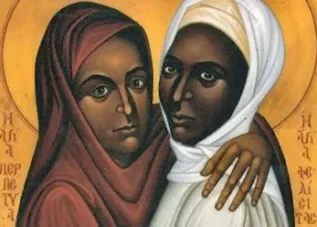
Dios Nos Llama a Desobedecer: Sifrá y Puá
En el libro del Éxodo (Éxodo 1:8–22), mucho antes de que Moisés levantara su voz contra el faraón, dos mujeres encendieron la primera chispa de liberación. Sus nombres eran Sifrá y Puá, parteras hebreas que vivían bajo el peso violento del imperio egipcio. Faraón, temiendo la fuerza creciente del pueblo hebreo, ordenó a las parteras matar a todo niño hebreo al nacer. Esto no era simple crueldad — era genocidio patrocinado por el estado, una estrategia imperial para aplastar a un pueblo antes de que pudiera levantarse.
Pero Sifrá y Puá DESOBEDECIERON.
No eran guerreras, ni políticas, ni sacerdotes. Eran mujeres comunes, encargadas del don de la vida. Entendían que el decreto de Faraón era un ataque directo contra la creación de Dios. Y en la tranquilidad de los cuartos de parto por todo Egipto, escogieron una santa desobediencia. Dejaron vivir a los bebés. Protegieron a los vulnerables. Arriesgaron su vida por la justicia.
Cuando Faraón las enfrentó, respondieron con valentía y con resistencia astuta:
“Las mujeres hebreas son fuertes; dan a luz antes de que lleguemos.”
Su negativa rompió la cadena de muerte que el imperio trató de imponer. Su acto de desobediencia civil abrió el camino para el nacimiento de Moisés, para la liberación del pueblo hebreo y para la historia de libertad que todavía contamos hoy.
Sifrá y Puá nos enseñan esta verdad:
Antes de que Dios abriera el mar, Dios empoderó a su pueblo para desobedecer la injusticia.
La liberación comenzó con dos mujeres que DESOBEDECIERON al imperio.
God Calls Us to Disobey: Shiphrah & Puah
In the Book of Exodus (Exodus 1:8–22), long before Moses ever lifted his voice against Pharaoh, two women lit the first spark of liberation. Their names were Shiphrah and Puah, Hebrew midwives living under the violent weight of the Egyptian empire. Pharaoh feared the growing strength of the Hebrew people, so he ordered the midwives to kill every Hebrew baby boy at birth. This was not just cruelty — it was state-sponsored genocide, an imperial strategy to crush a people before they could rise.
But Shiphrah and Puah DISOBEYED.
They were not warriors, politicians, or priests. They were ordinary women entrusted with the gift of life. They understood that Pharaoh’s decree was an assault against God’s creation itself. And in the quiet corners of birthing rooms across Egypt, they chose holy defiance. They allowed the babies to live. They protected the vulnerable. They risked their lives for justice.
When Pharaoh confronted them, they answered with boldness and clever resistance:
“The Hebrew women are vigorous; they give birth before we can arrive!”
Their refusal broke the chain of death that empire tried to enforce. Their act of civil disobedience made way for Moses’ birth, for the Hebrew people’s liberation, for the story of deliverance we still tell today.
Shiphrah and Puah show us this truth:
Before God ever parted the sea, God empowered people to disobey injustice.
Liberation began with two women who DISOBEYED empire.